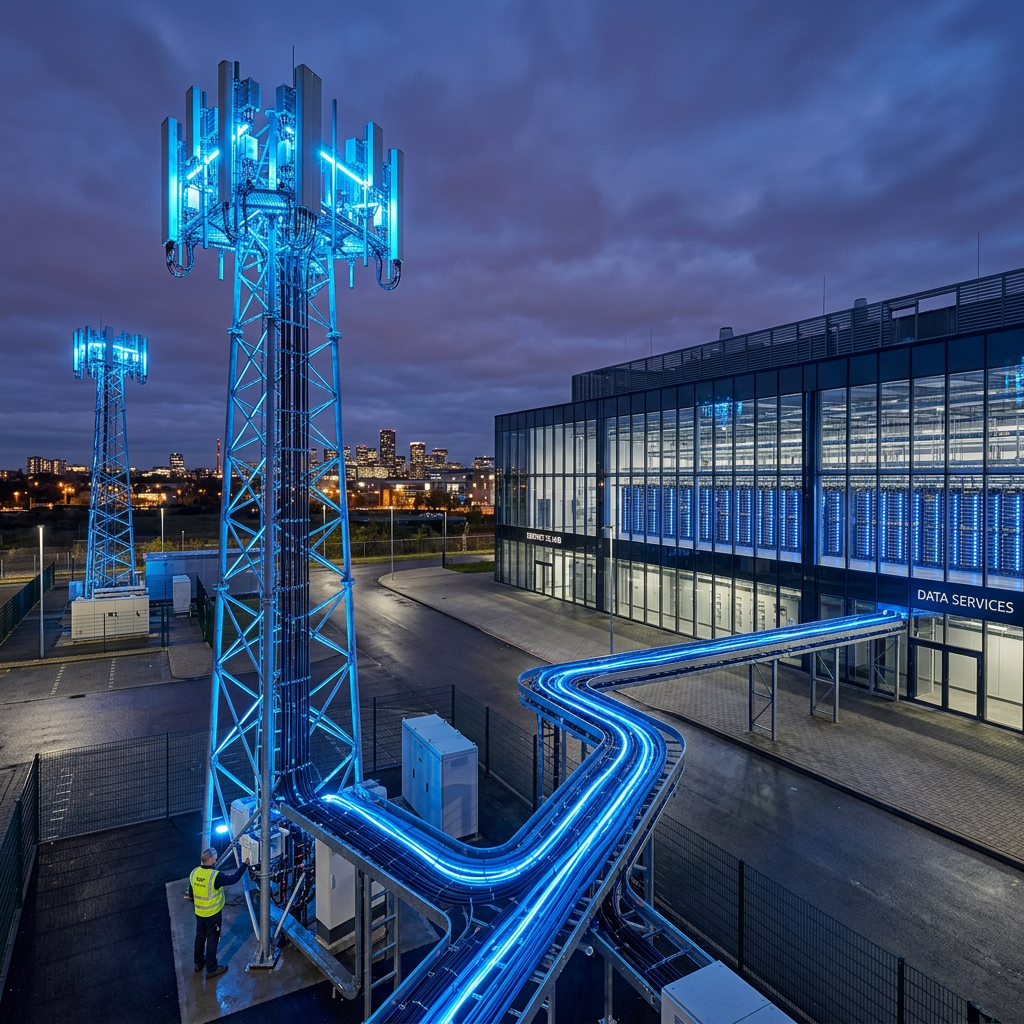
The New Era of Connectivity: Telecom 5G Infrastructure Project Management
Deploying 5G networks is perhaps the most ambitious undertaking in modern telecommunications. It is not merely an upgrade; it is a foundational shift in how industries operate, requiring precision in Telecom 5G infrastructure project management to succeed.
Why 5G Project Complexity is Unprecedented
Unlike 4G, 5G requires dense small cell deployments, edge computing integration, and complex fiber backhaul coordination. For project managers, this means navigating a web of regulatory hurdles, supply chain constraints, and tight technical specifications simultaneously.
Strategic Frameworks for 5G Deployment
Effective project management in this space relies on three pillars:
- Agile Planning: Adopting iterative frameworks to adjust to site-specific challenges.
- Digital Twin Utilization: Using virtual mapping to optimize cell tower placement.
- Vendor Synergy: Coordinating equipment manufacturers, construction teams, and network engineers.
Overcoming Operational Hurdles
Telecom 5G infrastructure project management often hits roadblocks regarding site acquisition and power management. Data shows that 60% of delays in 5G rollouts stem from local zoning or power availability issues. Proactive stakeholder management and early regulatory engagement are crucial for mitigation.
Actionable Takeaways for IT Leaders
To ensure project success, organizations should focus on:
- Establishing clear KPIs for deployment velocity.
- Implementing robust automation in network monitoring.
- Leveraging cloud-native solutions to streamline infrastructure orchestration.
Conclusion
Telecom 5G infrastructure project management is the engine of the next industrial revolution. By adopting standardized, data-driven approaches, IT leaders can accelerate deployment while maintaining budget integrity. Contact our consultancy team today to optimize your infrastructure roadmap.